
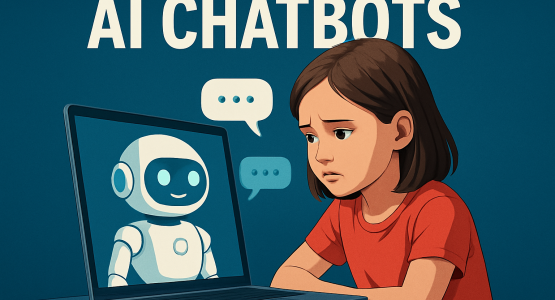
Picture this: a quiet evening, and your kid is curled up on the sofa, eyes glued to a screen. They’re not watching cartoons or playing a frantic battle royale. Instead, they’re typing away, sharing the intricate details of their day with an AI chatbot. It’s a scene that’s becoming as common as morning cereal, playing out in bedrooms and living rooms across the country. These digital companions, engineered to respond with startling empathy, are quickly morphing into a primary source of comfort for many young people. But as these virtual friendships deepen, a rather pressing question gnaws at parents and psychologists alike: are these connections genuinely healthy, or are we watching a generation trade something irreplaceable for a cleverly coded shadow?
Children are, and always have been, naturally drawn to new technology. The difference now is that AI chatbots have become remarkably adept at mimicking the nuances of human conversation. They remember that a child’s cat is called Whiskers, they ask follow-up questions about a big maths test, and they offer soothing platitudes when a child feels the world is against them. For a youngster dealing with loneliness or a truly rotten day at school, that instant, non-judgmental ear can feel like a lifeline in a storm. The software is programmed to respond with warmth, which creates a powerful, almost intoxicating illusion of genuine understanding. Honestly, is it any wonder that so many kids start to view these programs as trusted confidants, perhaps even their best friend?
The Illusion of Empathy and the Reality of Code
Yet, experts are waving red flags with increasing urgency. The core issue isn’t that AI chatbots are inherently malicious or out to get your kids. It’s that they aren’t real. A machine can simulate care with remarkable accuracy, but it can’t offer the messy, unpredictable, and ultimately rewarding texture of a human friendship. Real friendships are built on compromise, on navigating conflict, and on the shared joy of inside jokes and secret handshakes. They teach children the subtle art of reading emotions, the grace of apologising after a disagreement, and the slow, steady process of building trust over years. None of that happens when a child interacts with an algorithm that is fundamentally designed to please them and avoid conflict at all costs.
Psychologists are stressing that real-life social interactions are the crucial gymnasium for emotional growth. When children spend hours in deep conversation with an AI chatbot, they are missing out on vital reps for developing those all-important social skills. There’s a growing concern that some kids may even struggle to differentiate between an AI’s scripted responses and the genuine, often unpredictable, reactions of a peer. This blurring of the lines can lead to significant confusion about what authentic relationships actually look like. The deeper worry is that emotional reliance on these chatbots might push children further into isolation, especially when they start preferring the easy, always-available digital friend over the more challenging, sometimes awkward, but ultimately more fulfilling world of human connection.
This trend isn’t happening in a vacuum. The rise of AI chatbots has coincided perfectly with a massive surge in screen time among young people. Digital engagement is no longer just a pastime; it’s the default state of childhood. Chatbots are simply another app vying for those precious few minutes of attention, and many are even specifically designed to engage with children and provide emotional support. This makes them seem like a natural, almost inevitable fit for a generation that has been raised on a diet of touchscreens and instant notifications. It feels seamless, but is it safe?
The Unregulated Frontier of Digital Friendship
There’s a darker, murkier side to this convenience that often gets overlooked. Currently, there is a startling lack of regulation and oversight concerning how AI chatbots interact with minors. Parents are frequently left completely in the dark about the nature of the conversations their children are having with these programs. There are no clear, standardised guidelines on how to manage these digital relationships or what guardrails should be in place. This gap in oversight is deeply worrying, particularly given the very real potential for emotional dependency and the sheer volume of personal data being shared.
So, what’s the answer? Is it to throw the tablet in the bin and revert to a pre-digital age? Probably not. That’s neither realistic nor entirely necessary. Experts suggest that AI chatbots could serve as a useful supplement to human interaction, but they must never be seen as a replacement. They might be handy tools for practising conversational skills or for exploring complicated feelings in a safe, judgement-free space. But they can never take the place of a friend who laughs with you until your stomach hurts, cries with you when your heart is broken, or simply sits beside you in comfortable silence. Parents are advised to keep a watchful eye on how their children use these tools and to actively encourage a healthy balance of offline activities. That means championing playdates, pushing for team sports, and protecting family time—anything that fosters genuine, face-to-face human connection.
This article also serves as a call for far more research into the psychological effects of AI companionship on children. We simply don’t have enough longitudinal data to understand the long-term impact of growing up with an AI ‘friend’. We are, in essence, flying blind. Policymakers, educators, and parents need to be fully aware of the implications and work together to ensure that technology serves the child’s best interests, not the other way around. We need rules, we need guidance, and we need open conversations about this new reality.
In the end, an AI chatbot can offer a comforting message, but it can’t offer love. It can listen attentively, but it can’t truly understand the complex tapestry of human emotion. As children navigate this brave new digital landscape, it’s up to the adults in their lives to gently remind them that no algorithm can replicate the warmth of a real human hug or the thrill of whispering a secret to a best friend who promises to keep it safe. The virtual world is here to stay, but it should never come at the cost of the real-world connections that make us human. This is a situation that requires our attention now, before the lines between digital and real become permanently blurred. Check out more AI and Tech related Articles here.
