
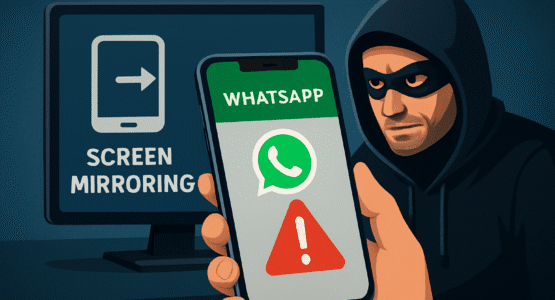
Beware of WhatsApp Screen Mirroring Fraud
There’s a sneaky new scam making its rounds, and it’s targeting users of one of the world’s most popular messaging apps. This scam, known as WhatsApp screen mirroring fraud, is raising alarms across the globe because it cunningly bypasses even the toughest security measures, including the revered two-factor authentication (2FA).
How WhatsApp Screen Mirroring Fraud Starts
It all begins with an unexpected phone call or text message, usually from someone pretending to be a diligent bank employee or a trusty tech support agent. The caller spins a tale of suspicious activity on your account, maybe suggesting that your hard-earned money is in jeopardy. This creates an immediate sense of urgency and panic, leading many to follow directions without taking a moment to think it through.
Then comes the so-called “help.” The scammer, posing as your savior, guides you through a process to protect your funds. Spoiler alert: they instruct you to transfer funds to a supposedly “safe” account, which, needless to say, they control. Next on their agenda? Convincing you to switch over to a WhatsApp video call, touting it as a far safer method of communication.
The Trap: Screen Sharing
Once you’re on that WhatsApp call, the fraudster subtly tricks you into enabling the screen sharing feature. Before you know it, they have a front-row seat to everything happening on your phone. As you log into your banking app or type in sensitive info, the scammer observes every keystroke, capturing your account details, passwords, and those crucial one-time passwords used for 2FA.
Unlike scams of the past that needed pesky malware or keyloggers, this modern method doesn’t require any sketchy software installations. The fraudster simply exploits WhatsApp’s built-in screen sharing feature. It’s like they’ve found a secret passage into your digital life, and it’s harder to detect because WhatsApp calls are end-to-end encrypted. This means even WhatsApp can’t peek into the call to thwart their plans.
Stay Alert: Protect Yourself
The Federal Bureau of Investigation (FBI) has sounded the alarm about this scam, urging users to be extra vigilant. Both the FBI and WhatsApp stress the importance of not sharing your screen with anyone you don’t personally know or trust, especially during a video call. Scammers typically initiate contact with a simple phone call or text; after a brief chat, they’ll propose moving the conversation to WhatsApp for “security.”
This scam is particularly insidious because it allows fraudsters direct access to your financial secrets, making theft a breeze and much harder to detect. The screen sharing feature, available during WhatsApp video calls, was designed for ease of use but has become a tool for crafty criminals.
How can you keep your money safe? Stay aware and vigilant. Never share your screen with strangers and always verify the identity of anyone claiming they’re from your bank or tech support. If you get a call about suspicious activity, hang up and contact your bank directly using a number you know is legitimate.
WhatsApp’s Response
WhatsApp isn’t just sitting idly by. They’ve rolled out new alerts to warn users before they share their screen with someone unknown during a video call. It’s part of their larger mission to fight off online scams and help users avoid falling prey to the WhatsApp screen mirroring fraud.
Want to know more about the vulnerabilities of two-factor authentication? Check this out.
Stay informed and stay secure. For more insights into the ever-evolving world of AI and tech, check out more articles here.
