
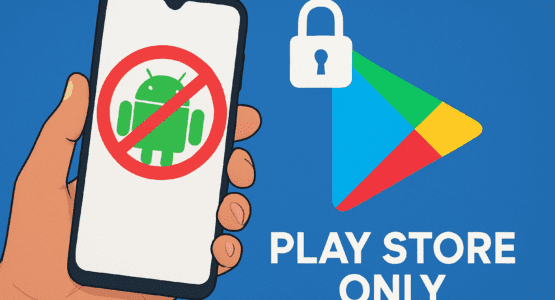
Is the Android Play Store Only Option Becoming Reality?
Google’s latest move on developer verification has tech enthusiasts scratching their heads, wondering if we’re heading toward an Android Play Store only option for app installs. Starting September 2026, apps on certified Android devices in Brazil, Indonesia, Singapore, and Thailand will need to come from verified developers—no exceptions, whether you’re grabbing them from the Play Store, sideloading, or alternative shops. This isn’t just a nudge toward the Play Store; it’s a full-on barrier for unverified apps everywhere else.
Think about it: right now, you can snag an APK from a trusted site or F-Droid without much hassle. But come 2026, that changes. Developers have to verify their identity—legal name, address, email, phone—and register their apps’ package names and signing keys with Google. The goal? Shut down scammers who fake popular apps, get busted, then vanish and rebrand. Google points out that sideloaded apps from the internet carry over 50 times more malware than Play Store ones. It’s like an ID check at the airport, they say—confirming who’s behind the app, not scanning its contents.
The Rollout Timeline: When Does It Hit?
Verification isn’t jumping in overnight. Early access kicks off late 2025 for testers, opening to everyone by March 2026. Enforcement starts regionally in September 2026, going global from 2027. Play Store devs mostly breeze through since they’ve likely verified already via the console. But sideloaders and indie shops? They’re staring down a new hurdle.
Hobbyists and students get a break with a simplified portal for testing on limited devices. Enterprises hold off until 2027, and managed profiles skip it altogether. Still, for the average power user tweaking their phone, this means rethinking those custom ROMs or obscure tools. Imagine hunting for that perfect niche app, only to find it blocked because the dev didn’t sign up.
Why F-Droid Fans Are Freaking Out
Open-source lovers are up in arms, especially F-Droid users. Forums are buzzing with rants—some even yelling “Fuck Google” and pushing GrapheneOS as an escape. F-Droid builds apps from public GitHub code, vets for trackers and privacy issues, but can’t force every upstream dev to verify with Google. It’s a catch-22: they can’t hijack package names, so unverified apps might not install on certified devices without disabling Play Protect. That high barrier could kill alternative ecosystems dead.
Google swears sideloading isn’t going away—they’re building an advanced install flow for savvy folks, packed with scam warnings. You can still take the risk, but only from verified sources. On the flip side, everyday users get fewer shady apps sneaking in, which sounds like a win for security.
Balancing Security and Freedom: What’s the Trade-Off?
Here’s where it gets real for power users. Developers outside the Play Store face do-or-die: verify or watch your apps become uninstallable. Independent coders might need to register as businesses just for privacy, echoing Apple’s EU changes under the Digital Services Act. Sure, it levels the field by curbing fraud, but does it stifle innovation? Hobby projects and experiments could dry up if anonymity vanishes.
I’ve seen friends who live for custom setups gripe about this. One guy, deep into rooting his Pixel, wondered aloud if he’d switch to non-certified devices. Rhetorical question: could you live with Android if the Play Store was your only option? For daily drivers, maybe—email, social, banking all Play-safe. But devs and tinkerers? It’s squeezing the open spirit that made Android shine.
However, Google’s not blind to the backlash. That hobbyist portal and advanced flows show they’re trying to keep some freedom alive. Enforcement ramps gradually, giving time to adapt. For enterprises, it’s business as usual longer. And let’s be honest, malware from repeat bad actors is no joke—verification makes them sweat before they can scam.
Yet the debate boils on: does this elevate safety without gutting Android’s edge, or push us all into a Android Play Store only option? Power users feel the pinch hardest, from F-Droid repos to quick APK grabs. As 2026 looms, sideloaders are watching like hawks. It might cramp styles for some, but bring peace of mind for others. Android’s future? A tightrope walk between locked-down security and that wild, open vibe we love.
What do you think—ready for stricter rules, or time to explore alternatives? The Android Play Store only option isn’t here yet, but it’s knocking.
Check out more AI and Tech related Articles here.
