
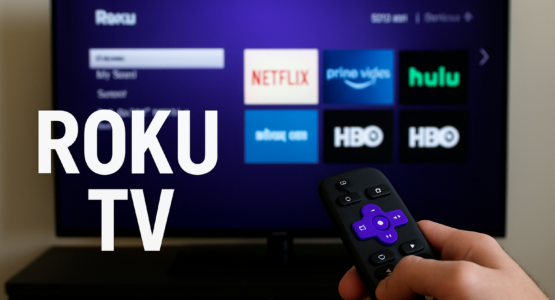
Twelve years ago, at the Consumer Electronics Show in January 2014, Roku quietly unveiled its first Roku TV. It wasn’t a flashy, stadium-sized announcement, but a quiet moment that would eventually reshape how we all watch television. Before this, if you wanted to stream Netflix or Hulu, you needed a separate gadget—a streaming stick, a box, or even a game console. The TV itself was just a dumb screen. Roku changed that by licensing its operating system to manufacturers like TCL and Hisense, embedding streaming right into the television. It was a simple idea, but it worked like magic.
The first Roku TV models hit the market in the fall of 2014, and they were anything but complicated. The interface was a straightforward grid of apps, with easy search functionality that worked across services. No more fumbling with multiple remotes or trying to remember which input your streaming stick was on. It just worked. And because Roku kept pushing regular software updates, the experience stayed fresh without needing to buy new hardware. That was a big deal. You got new features, better performance, and even new channels over time, all without spending a dime on upgrades.
Over the next decade, the Roku TV platform exploded. It expanded to include brands like Element, Sharp, Westinghouse, Philips, JVC, and RCA. The hardware evolved too, starting with HD and moving to 4K and HDR capabilities. Features like voice control, private listening through headphones (perfect for late-night binges), and smart home device integration were added. Roku even introduced specialized models, such as outdoor TVs designed to withstand weather while maintaining streaming performance. It’s hard to believe that something so ubiquitous today started as a niche experiment.
The Quiet Revolution of the Roku TV
What made the Roku TV so revolutionary wasn’t just the streaming—it was the unification. The platform integrated live TV listings with streaming recommendations, offering a single, cohesive viewing experience. You could flip between live sports and a Netflix series without missing a beat. That unified approach made it easier for viewers to find what they wanted, whether it was a breaking news broadcast or a binge-worthy drama. It wasn’t about convenience alone—it was about changing how we think about television itself.
Think about it: before Roku TV, the TV was just a display. You had to buy separate devices, manage different remotes, and deal with clunky interfaces. Roku said, “Why not just make the TV the streaming device?” That simple question led to a paradigm shift. 12 years ago Roku launched the first Roku TV, and today, you can’t walk into an electronics store without seeing a dozen models running that same operating system. It’s become the default for many households, especially those cutting the cord.
Roku’s licensing strategy was genius. Instead of competing with TV manufacturers, they partnered with them. TCL, Hisense, and others got a smart TV platform without having to build one from scratch. Roku got a massive install base and recurring revenue from advertising and content partnerships. It was a win-win. And it helped drive the widespread adoption of smart TVs, pushing the entire industry toward streaming-first design. Cable companies, meanwhile, watched their dominance slowly erode as more and more people realized they didn’t need a $150 monthly bill to watch what they loved.
Why Roku TV Still Matters Today
Even now, the Roku TV remains a favorite among cord-cutters and tech enthusiasts. Its interface is still simple, still fast, and still gets regular updates. It’s not trying to be a gaming console or a smart home hub (though it can do both). It’s just a really good TV that streams well. And that’s exactly what most people want. The focus keyword, Roku TV, has become synonymous with accessible, no-fuss streaming—a testament to a decade-old idea that just kept getting better.
If you’re still using an older TV with a separate streaming stick, consider this: a modern Roku TV will likely offer a smoother, more integrated experience. Plus, with features like voice search and personalized recommendations, finding something to watch feels less like a chore and more like an adventure. It’s a small upgrade that makes a big difference in daily use.
Check out more AI and Tech related Articles here.
