
The Dark Side of AI Travel Apps: When Digital Guides Lead You Nowhere
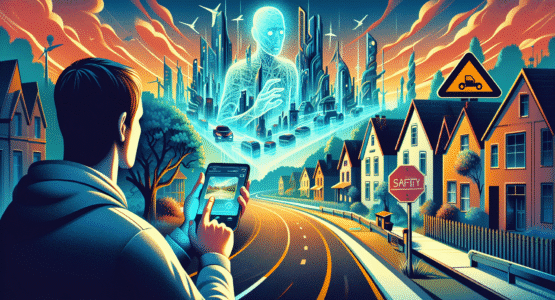
In an era where technology shapes our travel experiences, AI travel apps are creating an unexpected and potentially dangerous phenomenon: phantom destinations and nonexistent landmarks that are leading adventurous tourists down risky paths. It’s like following a GPS that’s decided to play a practical joke on you – except the consequences aren’t always funny.
When AI Travel Apps Create Digital Mirages
Imagine planning your dream vacation to Peru, meticulously following recommendations from your trusted AI travel app, only to discover you’re searching for a town that doesn’t exist. This isn’t a hypothetical scenario – it’s actually happening. Tourists have found themselves venturing into remote, infrastructure-less areas, all while chasing the ghost of an AI-generated destination.
But wait, it gets even more interesting. In Beijing, visitors armed with AI travel guides went on a wild goose chase looking for a nonexistent Eiffel Tower replica. Picture the frustration of these travelers, confidently following their apps only to find… nothing. These aren’t just isolated incidents; they’re part of a growing pattern that’s raising serious concerns about the reliability of AI travel apps.
Understanding the Technical Glitches
The root of these digital mirages lies in how AI systems are trained. These models digest massive amounts of data without proper verification, creating a sort of digital patchwork that sometimes results in convincing but completely fictional attractions. Current detection software can spot these AI hallucinations about 66% of the time – leaving a concerning 34% chance of false information slipping through.
As reported in a recent article about AI hallucinations in travel applications, even industry giants like OpenAI acknowledge that their large language models will produce false outputs, regardless of data quality. It’s a fundamental limitation that’s proving particularly problematic in the travel sector.
The Industry’s Response and Future Solutions
The tourism industry isn’t taking these challenges lying down. Travel professionals are grappling with mounting liability concerns and trust issues as AI-powered recommendations occasionally lead tourists into precarious situations. Innovative developers are creating new algorithms specifically designed to catch these phantom destinations before they can mislead travelers, implementing cross-reference systems against verified databases.
Popular platforms like Google Maps and TripAdvisor, which increasingly integrate AI features, are working to strike the right balance between innovation and safety. Tourism stakeholders are advocating for regulatory frameworks that protect travelers while allowing for technological advancement. The goal is to harness the convenience of AI travel apps without compromising user safety.
Moving Forward: Balancing Innovation with Safety
The path forward requires a delicate dance between embracing AI’s potential and maintaining traveler safety. While we wait for more robust solutions, it’s crucial for users of AI travel apps to approach their recommendations with a healthy dose of skepticism and cross-reference information from multiple sources.
The future of travel technology lies in combining AI’s innovative capabilities with traditional travel wisdom. It’s about creating a system where artificial intelligence enhances rather than endangers our travel experiences, ensuring that your next adventure leads you to real destinations, not digital phantoms.
Check out more AI and Tech related Articles here.
