
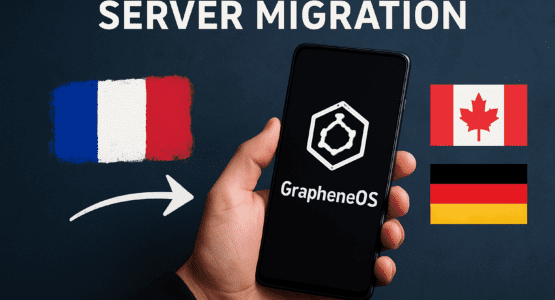
Why GrapheneOS Pulled Its Servers from France: A Stand Against Backdoor Demands
Imagine building something as secure as a digital fortress, only to have governments knocking at the door demanding you leave a back entrance unlocked. That’s exactly what happened to GrapheneOS, the privacy-obsessed open-source Android OS that’s now yanked all its servers out of France. This bold move came after French authorities pushed hard for encryption backdoors, turning what should be a haven for secure tech into a no-go zone.
GrapheneOS isn’t your average mobile operating system. It’s engineered with a hardened architecture that laughs in the face of exploits and mitigations that keep hackers at bay. No Google services come pre-installed by default, which means you’re not handing your data over on a silver platter. It shines brightest on Google Pixel devices, leveraging those Titan security chips for verified boot and hardware-bound encryption keys. Think about it—even if someone snatches your phone, your data remains locked tighter than a miser’s wallet. And get this: per-connection network permissions let you slam the internet door on specific apps without killing them entirely. Updates roll out over-the-air, grabbing the freshest bits from the Android Open Source Project and layering on GrapheneOS‘s own toughenings. Everything’s out in the open with public code repos and detailed changelogs, fostering trust that proprietary black boxes just can’t match.
The Breaking Point: French Pressure and a Swift Exit
Things hit the fan in late November 2025 when GrapheneOS cut ties with French cloud giant OVHCloud. French law enforcement had been ramping up the heat, demanding backdoors in encryption as part of their crusade against what they see as barriers to investigations. Developers faced a barrage of harassment, legal threats, and media smears painting GrapheneOS as a criminal’s best friend—think drug traffickers’ secret weapon, according to outlets like Le Parisien and Le Figaro. Cooperating would’ve meant gutting the very encryption that shields everyday users, flying straight in the face of the project’s DNA.
So, they acted fast. Servers bolted to safer harbors in Canada and Germany, with long-term plans rooting in Toronto. Services like Mastodon, Matrix, and Discourse migrated to a mix of local and shared setups away from French jurisdiction, while core website bits landed at Netcup in Germany. Backups? Encrypted and untouchable. End-users didn’t skip a beat—no hiccups in installs or updates. It’s a reminder of how nimble nonprofit projects can be when push comes to shove. Oh, and developers? They’re steering clear of France entirely—no conferences, no hires, no travel. Why risk it when the government’s backing stuff like the EU’s Chat Control, that mass-scanning nightmare for private messages?
Hardware-wise, GrapheneOS sticks to Pixels for their elite security perks. Ditching Google apps might throw folks off at first—no seamless integrations like you’re used to. But privacy advocates are cheering loud, hailing it as a defense of fundamental rights in a surveillance-heavy world.
Broader Implications: Nonprofit Struggles in a Surveillance State
This isn’t just a French fiasco; it’s a spotlight on the tightrope nonprofits like GrapheneOS walk. Running on donations, without Big Tech’s war chests, they can’t slug it out in court forever. French cops have a history of targeting encrypted platforms, seizing servers and strong-arming compliance. GrapheneOS saw the writing on the wall—media threats from law enforcement brass hinting at arrests or seizures if backdoors weren’t provided. Rational? Absolutely. As one observer put it, who’d stick around after Wikileaks and Telegram dramas?
By decommissioning servers and rotating keys in record time, GrapheneOS kept the lights on without compromise. Pixel compatibility arms users against data grabs, with those granular network controls offering privacy on your terms. Support’s surging because transparency—open code versus corporate fog—builds real loyalty. In a landscape where pressures mount from all sides, GrapheneOS stands firm, proving you can prioritize user safety without bending.
Have you ever wondered what happens when security clashes head-on with state power? GrapheneOS‘s saga shows the fallout. It’s pulled servers amid what they call police intimidation, relocating amid claims of sabotage from French rivals like Murena and iodéOS. For the full story on GrapheneOS withdrawing from French servers, it’s a tale of defiance. This exit amplifies the global tussle between unbreakable tech and surveillance ambitions. Nonprofits like this thrive on community backing, and their quick pivot underscores resilience. Features like exploit mitigations and no-data-collection policies keep users secure, no matter the geography. As threats evolve, GrapheneOS evolves too, always one step ahead.
Check out more AI and Tech related Articles here.
